
"coffee disaster"
3000 article(s) found

A brief introduction to the flavor, taste and aroma characteristics of boutique coffee beans in West Java, Indonesia.
Java produces only a small amount of Arabica beans, most of which were imported from Africa after the rust disaster. This kind of coffee has a strong bitter taste after roasting, but the aroma is extremely light. Although it has low acidity and delicate taste, it is rarely used for direct drinking. It is often used to mix mixed coffee, or to make instant coffee. Java coffee is produced in Java, Indonesia, and belongs to Elaraby.

A brief introduction to the flavor, taste and aroma characteristics of boutique coffee beans in West Java, Indonesia.
Java produces only a small amount of Arabica beans, most of which were imported from Africa after the rust disaster. This kind of coffee has a strong bitter taste after roasting, but the aroma is extremely light. Although it has low acidity and delicate taste, it is rarely used for direct drinking. It is often used to mix mixed coffee, or to make instant coffee. Java coffee is produced in Java, Indonesia, and belongs to Elaraby.
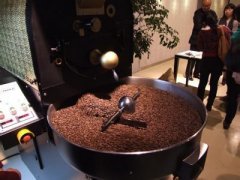
A brief introduction to the Origin, Development, History and Culture of Fine Coffee beans in West Java, Indonesia
Java produces only a small amount of Arabica beans, most of which were imported from Africa after the rust disaster. This kind of coffee has a strong bitter taste after roasting, but the aroma is extremely light. Although it has low acidity and delicate taste, it is rarely used for direct drinking. It is often used to mix mixed coffee, or to make instant coffee. Java coffee is produced in Java, Indonesia, and belongs to Elaraby.

Introduction to Indonesian Manning Coffee with strong flavor, fragrant, bitter and mellow
In the 17th century, the Dutch first introduced Arabica saplings to Ceylon (present-day Sri Lanka) and Indonesia. In 1877, a large-scale disaster hit the Indonesian islands, coffee rust destroyed almost all the coffee trees, people had to give up Arabica, which had been in operation for many years, and introduced the disease-resistant Robusta coffee tree from Africa. Today's

Panamanian Hartman Estate Honey Treated Coffee Bean Taste Characteristics Flavor Description
Panamanian Hartman Estate Honey-treated coffee beans Taste characteristics Flavor description Kaduai is an artificial hybrid of Kadura and Mondu Novo coffee varieties. Kaduai has a relatively good ability to resist natural disasters, especially wind and rain. Kaduai trees are relatively low, and compared to other coffee trees, kaduai fruits grow stronger and are difficult to pick. The fruit is both red and red.

Extremely mild aroma of Ugandan Java coffee beans introduce boutique coffee Elgon mountain area
Java produces only a small amount of Arabica beans, most of which were imported from Africa after the rust disaster. This coffee has a strong bitter taste after roasting, but the aroma is extremely light. Although the acidity is low and the taste is delicate, it is rarely used for direct drinking. It is often used to mix mixed coffee or to make instant coffee. Later, when the ship replaced the sailboat, due to the delivery time

A brief introduction to the treatment method of grinding degree and baking degree of fine coffee beans in St. Roman Manor with ideal acidity
Brazilian coffee fruit, a coffee producer, accounts for 1/3 of the world's coffee consumption and occupies a place in the global coffee market, although Costa Rica faces several times more natural disasters than other regions. but its acreage is enough to make up for it. There are many kinds of coffee here, but its industrial policy is abundant and cheap, so it is excellent.
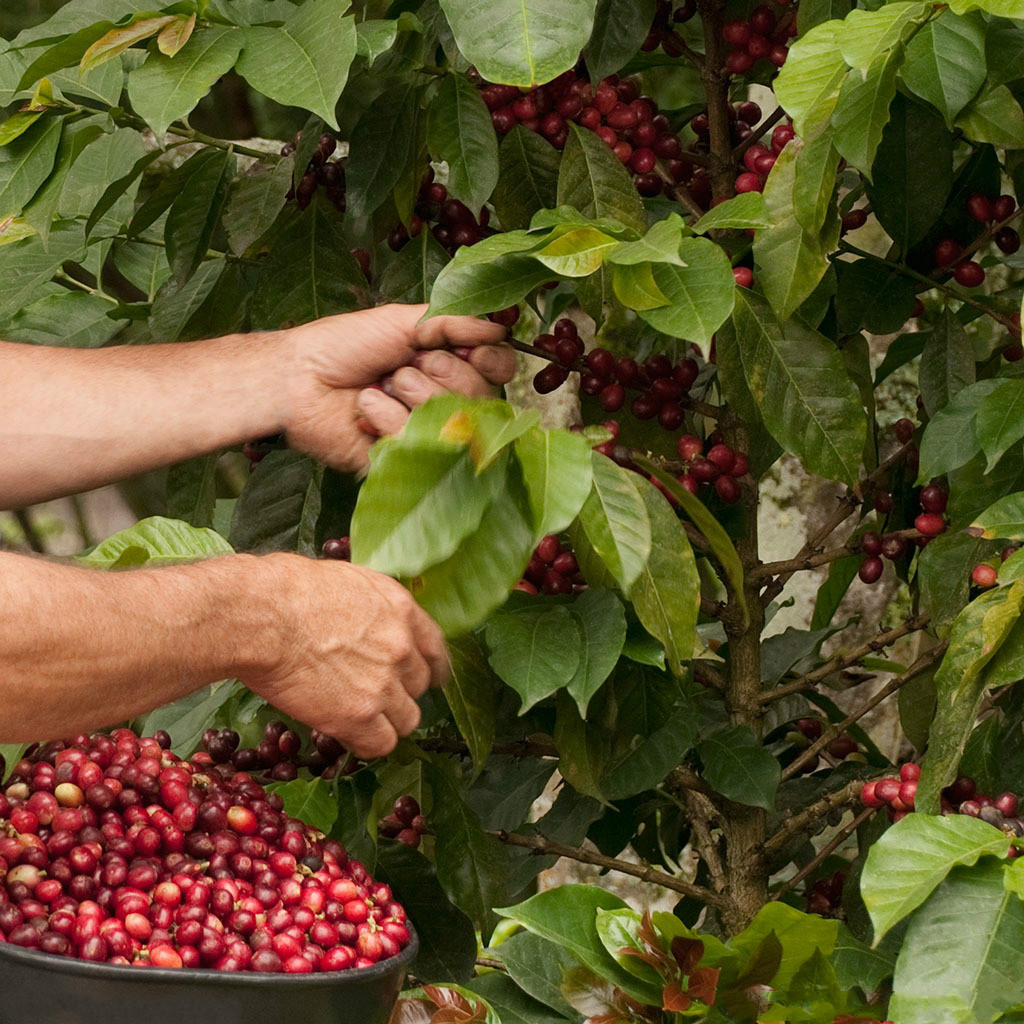
Coffee producing country-Indonesian coffee Indonesian coffee flavor
Brief introduction of coffee producing countries: Indonesian coffee is grown in the Dutch colonial era, coffee cultivation is mainly in large estates, after World War II, experienced the process of nationalization and independence movement, now about 90% of the coffee produced in Indonesia is produced by small farmers. Originally, Indonesian coffee was Arabica, and the leaf rust disaster at the end of the 18th century destroyed Arabica manor.

Is coffee carcinogenic or anticancer?
Acrylamide is produced during cooking, especially during frying and baking at high temperatures. Fried potato chips and potato chips, biscuits and bread are all high in acrylamide. Now it has been found that roasted coffee beans also produce a considerable amount of acrylamide. Italian scientists studied the case data of 3153 patients from 1996 to 2012 and found that every

A brief introduction to the treatment method of grinding degree and baking degree of Indonesian West Java boutique coffee beans with strong flavor
At present, 90% of the coffee beans exported from Indonesia are Robusta beans, and only 10% are Arabica. Before 1920, due to a major environmental disaster, Indonesian coffee varieties were replaced with Robusta beans, so Mandarin coffee in Sumatra is a rare Arabica bean, a treasure before it was discovered in the Blue Mountains. The output of such authentic products is also very small.
Mantenin coffee beans with the strongest aroma introduce boutique coffee
Mantenin's leaping acid mixes with the richest aroma, making your relaxed body manning coffee lively in a mild fragrance, and its outstanding taste captivates many suitors. In the 17th century, the Dutch introduced Arabica seedlings to Ceylon (present-day Sri Lanka) and Indonesia. In 1877, a large-scale disaster struck Indonesia

Introduction to the characteristics of El Salvador Himalayan Coffee Flavor description and Grinding Variety producing area
A brief History of Coffee production in 1742, coffee was introduced to El Salvador from the Caribbean (1740). In the mid-19th century, El Salvador's original export pillar Indigo (one of the dyes) received a gradual decline in the development of synthetic dyes in Europe, and coffee gradually became the main export product under the guidance of the government. In 1856, the first 693 bags of coffee beans were shipped to Europe. all long

Golden Manning Coffee Flavor description Variety introduction of taste treatment method in manor producing area
Golden Manning Coffee Flavor description manor area taste treatment Variety introduction in the 17th century, the Dutch first introduced Arabica saplings to Ceylon (present-day Sri Lanka) and Indonesia. In 1877, a large-scale disaster hit the Indonesian islands. Coffee rust destroyed almost all coffee trees and people had to give up Arabica, which had been in operation for many years.

Those declining coffee bean growing areas (2)
Brazil: dangerous Thrones there is no doubt that without Brazil, the world's coffee production would have been reduced by a large part, accounting for 1/3 of global consumption. There are many kinds of local coffee, but due to the government's simple pursuit of output, there are not many varieties of high-quality coffee. Brazil has a total of 21 states for the mass market, of which 17 produce coffee.

Brazil Coffee The world's largest coffee producer Brazil Coffee such as Rio
Brazil, the largest producer of coffee, accounts for one-third of global consumption of all grades and varieties, and has a place in the global coffee market. Although Brazil faces many times more natural disasters than other regions, its arable area is enough to compensate. There are many kinds of coffee here, but its industrial policy is large and cheap, so it is especially superior coffee and

Coffee Culture of Sumatra Manning Coffee
Manning coffee is full of slight acid, mixed with the richest aroma, making it very easy to appreciate the lively factors in the mild and rich flavor. It confuses many suitors with its outstanding taste. The Dutch first introduced Arabica saplings to Ceylon and Indonesia in the 17th century. Ceylon is what is now Sri Lanka. In 1877, a massive disaster struck.

Sumatra Mantenin boutique coffee bean recommendation
One of the most famous and most needed coffee in Asia. The appearance of Mandarin beans is arguably the ugliest, but coffee fans say that the more ugly the Sumatran coffee beans are, the better, mellow and slippery they are. In the 17th century, the Dutch first introduced Arabica saplings to Ceylon (present-day Sri Lanka) and Indonesia. In 1877, a massive disaster struck Indonesia.

Puerto Rican Coffee Flavor Taste Manor area introduces Puerto Rico boutique coffee beans San Pedro Manor
The Spanish-American War of 1889 ended with the victory of the United States, ending more than 400 years of Spanish rule over Puerto Rico. The demand for sugar in the United States has increased significantly, while the hurricane destroyed most coffee plantations, and the coffee industry in Puerto Rico was hit hard by natural and man-made disasters. In the 20th century, the national economy of Puerto Rico developed rapidly, with the strong support of the government and the local government.

Delicate taste of Uganda Java coffee Introduction Fine coffee beans
Java produces only a small number of arabica beans, most of which are Romstar beans imported from Africa after the rust disaster. This coffee has a strong bitter taste after roasting, but the aroma is extremely light. Although the acidity is relatively low and the taste is relatively delicate, it is rarely used for direct drinking. It is often used to mix mixed coffee or to make instant coffee. Later, when ships replaced sailboats, due to the shortening of transportation time,
Characteristics of Costa Rican coffee
This coffee producer, with all grades and types of coffee, accounts for 1/3 of the global consumption and accounts for a place of origin in the global coffee market, although the natural disasters faced by Costa Rica are several times higher than in other regions. but its arable area is enough to make up for it. There are many kinds of coffee here, but its industrial policy is large and cheap, so it is special.